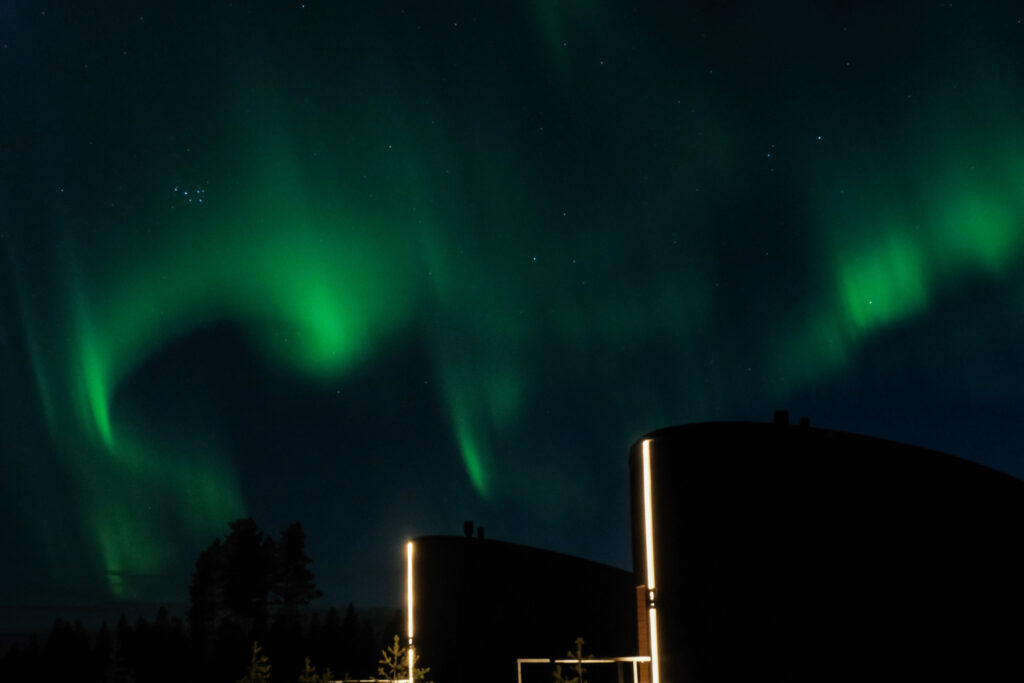
The northern lights, or aurora borealis, are one of nature’s most spectacular light displays, appearing as dancing curtains of colour across the Arctic sky. This natural phenomenon occurs when charged particles from the sun interact with Earth’s magnetic field and atmosphere, creating luminous displays primarily visible in polar regions. Understanding what the northern lights are, where to see them, and how to maximise your viewing experience can help you plan an unforgettable Arctic adventure.
What exactly are the Northern Lights and how do they form?
The northern lights are a natural atmospheric phenomenon created when electrically charged particles from solar wind collide with gases in Earth’s atmosphere. These particles travel from the sun and are drawn towards Earth’s magnetic poles, where they interact with oxygen and nitrogen molecules at altitudes between 100 and 300 kilometres above the planet’s surface.
When these collisions occur, energy is released in the form of light. The specific colours you see depend on which atmospheric gas is involved and at what altitude the collision happens. Oxygen produces green and red auroras, whilst nitrogen creates blue and purple hues. The green aurora borealis display, appearing at around 100-150 kilometres altitude, is the most common and vibrant colour you’ll witness.
The aurora appears in distinctive patterns because Earth’s magnetic field channels the charged particles along magnetic field lines towards the poles. This creates the characteristic curtain-like formations, arcs, and swirling coronas that make the northern lights experience so mesmerising. Solar activity intensity determines how far from the poles the aurora can be seen, with stronger solar storms producing more widespread and dramatic displays.
Where and when is the best time to see the Northern Lights?
The best locations for viewing the northern lights lie within the auroral zone, a band roughly 65 to 72 degrees north latitude encircling the Arctic. Finnish Lapland sits perfectly within this zone, offering exceptional aurora viewing opportunities combined with accessible infrastructure and comfortable accommodation options.
The optimal season for northern lights viewing runs from September through March, when darkness hours are longest and skies are clearest. During the peak winter months of December through February, Finnish Lapland experiences extended darkness that provides up to 20 hours of potential viewing time each day. The aurora can appear any time after darkness falls, but the hours between 10pm and 2am often see the most active displays.
Weather conditions play a crucial role in aurora viewing success. You need clear, dark skies away from light pollution to see the northern lights properly. Cloud cover will obscure the display, so checking weather forecasts alongside aurora predictions increases your chances significantly. Solar activity varies on an 11-year cycle, but northern lights can appear throughout this cycle, making any winter visit to Lapland potentially rewarding.
Modern aurora forecasting tools monitor solar activity and provide KP index ratings (measuring geomagnetic activity on a scale of 0-9) that help predict aurora intensity and visibility. Even modest KP levels of 2-3 can produce stunning displays in prime locations like Finnish Lapland, where darkness and minimal light pollution create ideal viewing conditions.
What do the Northern Lights actually look like in person?
Witnessing the aurora borealis in person differs considerably from the vivid photographs you’ve likely seen online. Cameras can capture colours and intensity that appear more saturated than what your eyes perceive, so it’s important to set realistic expectations whilst understanding the experience remains genuinely magical.
To the naked eye, the northern lights typically appear as pale green or whitish curtains of light dancing across the sky. During stronger displays, you’ll see more vibrant greens, and occasionally pinks, purples, or reds become visible. The aurora moves constantly, shifting from subtle glows to dramatic swirling patterns, vertical rays, and corona formations that appear to radiate from directly overhead.
The intensity varies considerably. Sometimes the aurora appears as a faint glow on the horizon that you might initially mistake for distant city lights. Other times, particularly during geomagnetic storms, the display fills the entire sky with moving curtains of colour that pulse and dance with remarkable speed. These active displays can change completely within minutes, creating an ever-evolving natural light show.
Your eyes adapt to darkness over 20-30 minutes, improving your ability to perceive the aurora’s colours and movements. Many visitors describe feeling emotionally moved by the experience, regardless of the display’s intensity. The combination of Arctic silence, pristine wilderness, and this celestial phenomenon creates moments that photographs simply cannot capture.
How can you maximize your chances of experiencing the Northern Lights?
Maximising your northern lights experience requires strategic planning around location, timing, and viewing conditions. Choose destinations within the auroral zone that offer minimal light pollution and clear horizons. Remote wilderness locations provide the darkest skies, though they should balance accessibility with comfort for extended outdoor viewing in Arctic temperatures.
Plan your visit during the peak season between September and March, with December through February offering the longest darkness hours. Monitor aurora forecasts and KP index predictions in the days before and during your stay. Flexibility in your schedule allows you to take advantage of clear weather and heightened solar activity when they coincide.
Prepare properly for extended outdoor viewing in sub-zero temperatures. Thermal clothing, insulated boots, and hand warmers enable comfortable observation during the hours needed to witness the aurora at its best. Patience is essential, as the northern lights operate on nature’s schedule rather than convenient viewing times.
Staying in accommodation designed specifically for aurora viewing eliminates the need to venture outside in extreme cold whilst maintaining unobstructed sky views. At Livo Arctic, our glass igloo accommodation along Lake Livo provides the perfect solution for comfortable northern lights observation. You can watch the aurora borealis from your warm bed through expansive ceiling windows, combining luxury comfort with optimal viewing conditions in the heart of Finnish Lapland. Our location offers minimal light pollution and clear horizons across the frozen lake, whilst our comprehensive Arctic experience packages ensure you’re positioned for aurora viewing success throughout your stay.