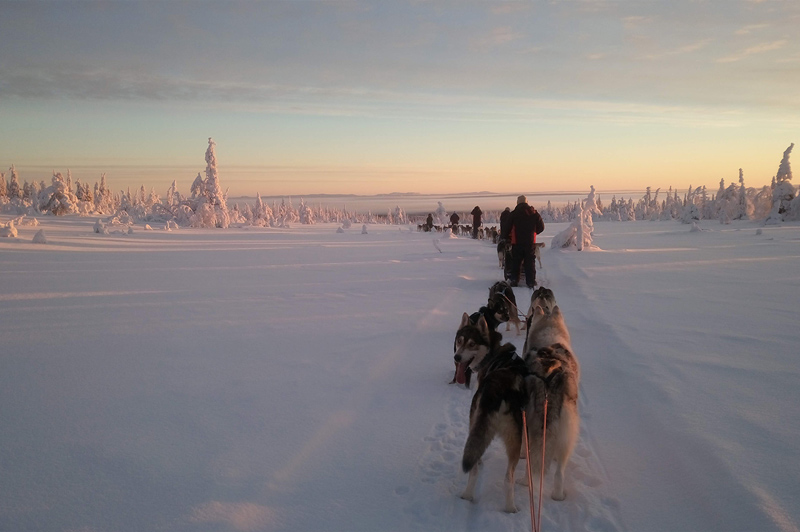
Dressing properly for husky sledding in Lapland means preparing for extreme Arctic conditions while maintaining mobility to control your sled. The key is a three-layer system that keeps you warm during stationary riding yet prevents overheating when you’re actively helping the dogs. Finnish Lapland’s winter temperatures range from -10°C to -30°C, making quality thermal clothing essential for enjoying this bucket-list adventure safely and comfortably.
What clothing layers do you actually need for husky sledding in Lapland?
Successful husky sledding clothing relies on three distinct layers working together. Your base layer consists of moisture-wicking thermal underwear that pulls sweat away from your skin. The mid layer provides insulation through fleece or merino wool that traps warm air. Your outer layer is a windproof and waterproof shell that protects against Arctic winds and snow whilst allowing moisture to escape.
This layering system addresses the unique challenge of dog sledding in Lapland. When you’re standing on the sled runners gliding through the wilderness, you’re essentially stationary in brutal cold. Your body generates minimal heat, making proper insulation critical. However, when you help push the sled uphill or assist the dogs through deep snow, you’ll generate considerable warmth and perspiration.
During Lapland’s husky sledding season from December through March, temperatures typically hover between -10°C and -30°C. Your base layer prevents the dangerous combination of sweat and cold by moving moisture away from your skin. Cotton holds moisture and loses all insulating properties when wet, which is why synthetic or wool thermals are essential. The mid layer’s job is pure warmth retention through dead air space trapped in fleece or wool fibres. Your outer shell blocks wind that would otherwise strip away the warm air your inner layers have created.
The beauty of this system is adjustability. If you’re working hard and feeling warm, you can open vents in your outer layer or remove your mid layer briefly. The layers work independently yet complement each other, giving you control over your comfort throughout varying activity levels during your Arctic adventure experiences.
How cold does it get during husky sledding and what gear protects you?
Finnish Lapland’s husky sledding season runs December through March, with temperatures frequently reaching -10°C to -30°C. Your extremities face the greatest risk because blood flow to fingers, toes, and facial skin reduces in extreme cold. Quality protective gear for these vulnerable areas makes the difference between an unforgettable experience and a miserable one cut short by discomfort.
Insulated winter boots rated for extreme cold are non-negotiable. Look for boots rated to at least -30°C with thick insulation and waterproof construction. Your feet remain relatively still on the sled runners, making them particularly susceptible to cold. Thermal socks made from wool or synthetic blends provide additional warmth, but avoid wearing multiple pairs as this restricts circulation.
For hand protection, mittens significantly outperform gloves in Arctic conditions. Mittens allow your fingers to share warmth, whereas gloves isolate each finger. Quality insulated mittens with waterproof shells keep hands functional throughout your journey. Many experienced mushers wear thin liner gloves inside mittens for the occasional moment when you need finger dexterity.
Your face and neck need protection during high-speed portions when wind chill intensifies the cold. A neck warmer or balaclava protects exposed skin from frostbite whilst remaining breathable enough to prevent moisture buildup from your breath. A warm winter hat that fits comfortably under a helmet provides essential head insulation, as significant body heat escapes through your head.
Quality matters more than fashion when selecting Arctic clothing layers and protective gear. Well-designed equipment uses advanced materials that insulate effectively whilst remaining lightweight and allowing natural movement. Cheap alternatives often fail precisely when you need them most, turning what should be a magical experience into an uncomfortable ordeal.
What should you avoid wearing on a husky sledding adventure?
The most dangerous clothing choice for husky sledding in Lapland is cotton in any form. Cotton absorbs moisture from perspiration and loses all insulating properties when wet. In Arctic conditions, wet cotton against your skin creates a genuine hypothermia risk. This includes cotton jeans, cotton t-shirts, and cotton socks. Choose synthetic or wool alternatives that maintain warmth even when damp.
Overly bulky clothing restricts the movement you need to control your sled effectively. Husky sledding requires balance, quick reactions, and sometimes physical effort to help your dogs navigate challenging terrain. Clothing so puffy that you can’t bend your arms or shift your weight properly compromises both your safety and enjoyment. Modern thermal clothing provides excellent insulation without excessive bulk.
Inadequate footwear ruins more husky sledding experiences than any other gear mistake. Fashion winter boots designed for city streets lack the insulation rating and waterproof construction needed for extended exposure to Lapland winter conditions. Your feet will become painfully cold within thirty minutes, dominating your thoughts and destroying your ability to enjoy the experience. Non-waterproof boots also allow snow to penetrate, wetting your socks and creating the dangerous cotton problem in a different form.
Insufficient hand protection follows the same pattern. Thin fashion gloves or non-insulated mittens leave your fingers vulnerable to frostbite during the high-speed portions of your ride. Once your hands become truly cold, they’re difficult to rewarm in the field.
We provide thermal overalls, insulated boots, and warm mittens for our husky sledding experiences, ensuring you have Arctic-grade outer layers. However, you should bring your own base layers (thermal underwear), mid layers (fleece or wool), warm socks, and personal items like neck warmers. This combination of provided equipment and personal layers gives you the complete protection needed for comfortable Arctic dog sledding.
Can you rent winter clothing for husky sledding or should you buy it?
Whether to rent or purchase Arctic winter clothing depends on your travel frequency and home climate. We provide essential outer layers including thermal overalls, extreme-cold-rated boots, and insulated mittens as part of our husky sledding experiences. This equipment represents the most expensive and bulky items, making your packing significantly easier.
You should bring your own base layers and mid layers from home. Thermal underwear, fleece jackets, warm socks, and items like neck warmers are personal garments that you’ll wear against your skin. Most travellers prefer owning these items for hygiene reasons, and quality base layers pack efficiently in your luggage. If you don’t own suitable thermal underwear, purchasing a set before your trip makes sense as they’re useful for various cold-weather activities beyond husky sledding.
For visitors from warm climates who lack any winter gear, purchasing makes sense if you plan multiple cold-weather adventures or return Arctic visits. Quality thermal base layers and mid layers cost less than you might expect and last for years. The provided outer layers from tour operators handle the extreme cold protection, so your personal investment focuses on the more affordable underlayers.
Rental equipment from reputable operators is maintained to high standards and cleaned thoroughly between uses. We ensure all provided clothing meets the demands of genuine Arctic conditions. The thermal overalls, boots, and mittens we supply are the same quality we’d use ourselves, because your comfort and safety directly impact your experience.
For one-time visitors, relying on provided equipment whilst bringing basic thermal layers from home offers the best value. Frequent Arctic travellers or those planning extended winter activities might invest in their own complete system. Either approach works well when you understand what tour operators provide versus what you should bring yourself.
Proper clothing transforms husky sledding from a cold endurance test into the magical Arctic adventure you’ve imagined. The three-layer system keeps you comfortable through varying activity levels, quality protective gear safeguards your extremities, and avoiding common mistakes ensures nothing distracts from the incredible experience of gliding through Lapland’s winter wilderness behind a team of eager huskies.